Skip to content

Plant Planner · Bayer Crop Science · Aude, Occitanie

Guillaume
Jerke.

Industrial engineer, twelve years in seed production. Now building the data foundations and AI tools that make a plant run better — and coding them myself.

Since 2025 I have put machine learning and LLM agents to work in planning, quality and shop-floor routines at Bayer. At home, I run a five-GPU AI rig with 160 GB of VRAM, and ship software and steel.

Portrait of Guillaume Jerke in a grey suit, against a dark background
plan adherence at the plant
34% → 89%
plan adherence at the plant
accuracy predicting bagged-lot quality with ML
86%
accuracy predicting bagged-lot quality with ML
capacity projects delivered, output ×3
€5M
capacity projects delivered, output ×3
in seed production, on the floor and in planning
12 yrs
in seed production, on the floor and in planning

01 — Operations first

Team leader, continuous improvement, plant planner. I know what a harvest campaign feels like from the inside, and what a plan is worth when it is followed.

02 — Data before AI

I built the plant’s single source of planning data, then taught an LLM what every table means. That is why the AI on top of it works.

03 — Builder

Six production tools since 2025, plus a SaaS and open-source hardware at home. With AI as a coding partner, the person who knows the process can ship the tool.

01 · Life & roots

Rooted in the Lauragais, between the plant and the workshop.

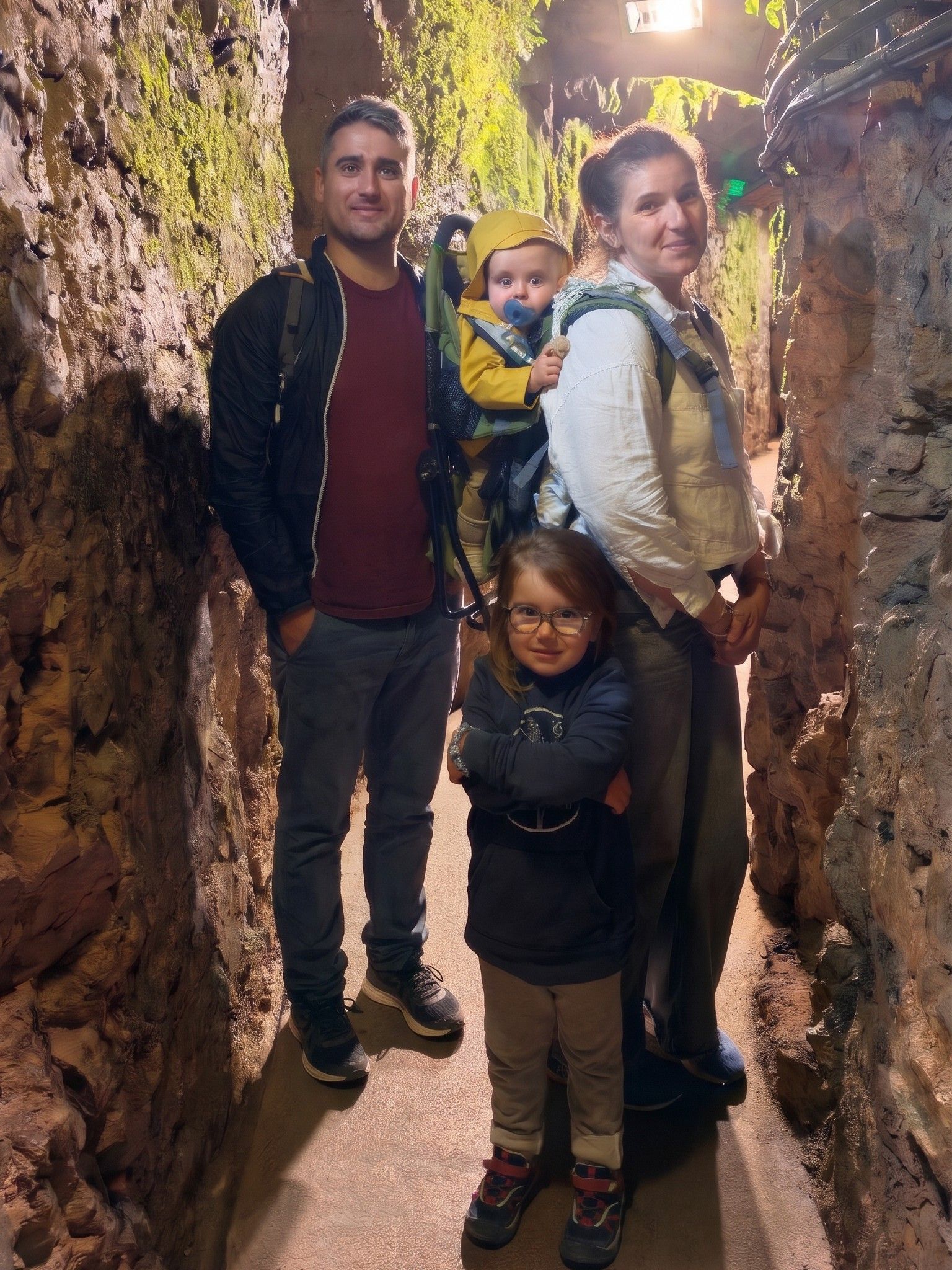
Guillaume with his wife Sabine, their daughter Louise and their son Charles in a baby carrier, in a stone tunnel
With Sabine, Louise and Charles — summer 2026.

I am 37, born in Germany in 1989. I live in Saint-Martin-Lalande, a village near Castelnaudary (Aude, Occitanie), with my wife Sabine, our daughter Louise (4) and our son Charles (1).

Life here runs between the plant, my plasma workshop in Castelnaudary and a small homelab that hosts my AI rig. I like building things that work — at work, at home and in steel.

2009 — 2014
ENIT — École Nationale d’Ingénieurs de Tarbes
General engineering degree, including a semester at Polytechnique Montréal (Québec)
2005 — 2009
Lycée Militaire de Saint-Cyr-l’École
Scientific baccalauréat, mathematics major
Languages
French (Fluent) · English (C2)

02 · Career

Twelve years in seed production, measured in results.

From running a temp team on a new line to planning a 200-person plant with Central Planning and the European sites.
  1. 2020 — today

    Bayer Crop Science

    Plant Planner

    Commercial corn and oilseed rape seed plant, ~200 people. Interface between Central Planning and the European production sites.

    • Raised plan adherence from 34% to 89%.
    • Lead a team of 5 permanent staff and 2 temps, and own the budget.
    • Rolled out a visual Kanban system to sequence plant operations, with KPIs that managers and production teams actually use.
    • Became the team’s data platform — and, since 2025, its AI builder (see below).
  2. 2016 — 2020

    Monsanto

    Continuous Improvement Engineer

    • €5M of projects with international teams to raise the plant’s production capacity ×3.
    • Innovative fixes to cut losses and waste on the production line.
    • Built production-management tools for the parts of the process the ERP did not cover.
  3. 2014 — 2016

    Monsanto

    Team Leader

    • Started up a new production line.
    • Managed a team of 25, all temporary staff.
    • Production scheduling, reporting and ERP transactions.
    • Built HARVS, an Access database tracking harvest intake — rebuilt from scratch with AI in 2025.

Toolbox

  • Production planning
  • Lean · Six Sigma Green Belt (Minitab)
  • Team management & recruiting
  • Project management
  • Python · VBA
  • Machine learning
  • LLM agents · MCP
  • Power BI · Power Query
  • 3D design & printing
  • CNC plasma · laser · welding

03 · AI at work

Since 2025: AI in production, not in slides.

I started taking AI seriously in 2025. Rather than isolated pilots, I built a stack — first the data, then the intelligence, then the tools people use every day. Everything below runs, or is about to run, in a Bayer seed plant.
  • Built with AI
  • Machine learning inside
  • LLM agent inside

Layer 1 — Data foundation

One clean, explained source of truth.

2025 · In use · source for every project below

Master DB & planning data agent

One secure source of truth for planning data — and an AI agent that understands it.

  • Built with AI
  • LLM agent inside
single source for all planning data
1
of its kind at Bayer
First
How it works

As Plant Planner I am the team’s hub for data, so I first automated the chores: scripts that ingest Excel files on their own, and so on. Every AI idea I had needed the same thing — one source of data, already ingested and ready to use — so I built it: collect, store and distribute, securely, everything planning needs to work.

On top of it, I spent a lot of time teaching the LLM what every table and field means, so it can join them the way a planner would. An MCP server and a Python sandbox let an agent run code safely. The result is an agent that answers tactical and strategic questions in plain language, filtering the right data first.

It impressed my managers because it is easy to use and the data is already there, which is usually what blocks this kind of project.

  • Python
  • automated Excel ingestion
  • MCP server
  • Python sandbox
  • LLM agent

Layer 2 — Intelligence

Models and agents that predict and decide.

2025 · In use

Predicting bagged-lot quality with machine learning

Know the quality outcome of a lot before it is bagged — and pick better input batches.

  • Machine learning inside
prediction accuracy
86%
less quality scrap after bagging
≈5%
ML project in Bayer production & planning
First
How it works

Using the plant’s historical planning data, I built a predictive application that classifies the quality result of a bagged lot — OK, OK after Quality Decision, or NOK — with 86% accuracy.

It was the first project of its kind at Bayer: machine learning applied to production and planning. We use it to choose input batches more wisely, which cut quality scrap after bagging by about 5%.

  • Python
  • machine learning
  • historical planning data

2026 · Latest project

AI-assisted plant planning

Turning a stream of emails, Excel files and Teams messages into a feasible plan.

  • LLM agent inside
requests understood by the agent
Text · files · images
plan written back into the planning tool
Closed loop
How it works

Our business environment is complex, and our planning tool even more so. Central Planning sends a continuous stream of requests and constraints — by email, in Excel files, sometimes in a Teams message — and keeping track of them by hand is fragile.

My tool collects every comment, file, text or image, understands it with an AI agent and turns it into structured constraints. Plant constraints are coded so they accept those external ones; the tool then computes the plan and writes it back into the planning system.

  • LLM agent
  • constraint model
  • Master DB

Layer 3 — Shop-floor tools

Apps people use in the plant every day.

2025 · In production

HARVS — harvest-to-storage traceability

Following every load from the field to storage, rebuilt from scratch.

  • Built with AI
process steps traced, intake to storage
5
harvest times from the data lake
Live
How it works

A complete rebuild of an application I first created in my first year at Monsanto, as an Access database. HARVS tracks harvest intake at the plant, husking, drying, shelling and storage.

It is connected to our data lake to pull harvest times, so the plant sees the incoming flow before it arrives. I focused on quality: a complete internal traceability tool. Its database is exposed to Excel Power Query and Power BI for advanced KPIs.

I used AI to write the application — and to ship quick fixes during the campaign, while production was running.

  • Data-lake connector
  • Power Query
  • Power BI

2026 · Pilot with first departments after the campaign

Compass — digital tier meetings

Our daily production meetings (Tier 1 → Tier 3), digitised and standardised.

  • Built with AI
meeting tiers connected
3
of development
≈ €5k
How it works

With our local Lean manager, I spent several months writing the specification for digital tier meetings (our “DDS”, Tier 1 / Tier 2 / Tier 3). Then I built the application and iterated with my colleague. It was inspired by Fabriq, but simpler and dedicated to our routines.

It covers safety, quality and production escalations, standardised KPI display, action plans, Gemba walks, task transfers between tiers, site/plant/department communications (maintenance work, training reminders…), a virtual board for every meeting, and a large-screen facilitation mode with a simplified interface.

Coded with AI; no LLM inside yet. It runs on site and goes live with pilot departments after the campaign.

  • Large-screen mode
  • deployed on site

2025 · In use during the campaign

Automated KPIs & quality tracking

Dashboards that standard templates can’t produce, and waste rates everyone can trust.

  • Built with AI
of the Power BI work generated with AI
100%
quality results, centralised
Auto-updated
How it works

Power BI dashboards built entirely with AI, from very precise requests that the standard templates cannot deliver — possible because the data already sits in the Master DB.

Quality tracking files for semi-finished and finished product centralise quality results and update themselves. During the campaign they give an exact waste rate to every stakeholder.

  • Power BI
  • Power Query
  • Master DB

04 · Personal builds

At home I ship software — and steel.

Evenings and weekends are where I test what AI can really do for one person with a clear problem.
NestorCut logo

2026 · Live SaaS · free plan

NestorCut

True-shape nesting for laser, plasma and CNC cutting — a SaaS built entirely with AI.

  • Built with AI
of the code written with AI
100%
nesting engine runs in the browser
Rust → WASM
uploads needed for free jobs
0
How it works

Built for workshops like my own: parts placed by hand on a steel sheet waste material. NestorCut takes DXF, SVG or DWG parts and packs them as tightly as possible — rotated and interlocked, small parts nested inside the cutouts of larger ones — then exports a cut-ready DXF with a full material report.

The engine is written in Rust (simulated annealing, multi-start parallelism) and compiles to WebAssembly, so free jobs run in the visitor’s browser and files never leave their machine. Zero-knowledge encryption, multi-sheet jobs, offcut reporting.

I designed, built and shipped it entirely with AI coding agents — the clearest proof I have of what one domain expert can now deliver alone.

  • Rust
  • WebAssembly
  • Nuxt 4
  • MongoDB
  • Python workers

2025 · Open source · GPL v3

SmartTHC

Open-source torch height controller for CNC plasma, on an Arduino Uno R4.

How it works

Keeps the plasma torch at the right height by reading arc voltage, with a 1 kHz PID loop, anti-dive protection over voids, a watchdog against electrical noise and an 8-screen LCD menu.

  • C++
  • Arduino
  • PID control

2025 · Open source

OpenPowder

High-precision powder dispenser — load cell, stepper motor, adaptive dosing.

How it works

Doses fine powder to the milligram: fast first, then progressively slower bursts to avoid overshoot, with self-calibration and real-time weight feedback.

  • C++
  • Arduino Due
  • HX711 load cell

2026 · Open source · MIT

Media Library Intelligence

Recommendation engine for a home media library.

How it works

Scores what to watch or add next (0–100) from three signals — unfinished sagas, personal taste and missing classics — and runs on my homelab.

  • FastAPI
  • React
  • PostgreSQL
  • Celery
  • Docker

2026

APlasma pricing

Quoting engine for the workshop — plasma, laser, welding and 3D scanning.

  • Built with AI
How it works

Turns a job description into a consistent price, with one calculator per process and a material estimator.

  • FastAPI
  • Vue
  • Docker

Side experiments — out of curiosity

  • LLM-researched trading strategies

    An LLM proposes strategies; a statistical judge must certify them before any paper trading.

    • LLM agent inside
    • Python
    • local LLM
    • Docker
  • Scripts for viral short videos

    Agentic pipeline from script to voice, image and video — running on the local rig.

    • LLM agent inside
    • Python
    • voice / image / video models

05 · The rig

A five-GPU AI rig at home — ask it anything about me.

I run my own models at home: GLM 5.3 Flash for language, plus voice, image and video generation. It powers my side projects — and the box below. Your question goes from this page through an encrypted Cloudflare tunnel to my rig in Occitanie, and the answer streams back live.

Spec sheet

GPUs
4× RTX 3090 + 1× CMP 170HX
VRAM
160 GB (4× 24 GB + 64 GB)
Language model
GLM 5.3 Flash · 1M-token context
Speed
≈58 tokens/s
Also runs
Voice · image · video generation
Serving
llama.cpp · OpenAI-compatible API
Used by
Trading research bench · video pipeline · coding agents
Request path
Request path to the rigBrowser, then a Cloudflare Worker, then Cloudflare Tunnel with Access, then the rig with five GPUs.questionvia tunnelLANYour browserthis page · streams the answerCloudflare Worker/api/ask · no answer storedCloudflare Tunnel + Accessencrypted · service-token gatedMy rig · 5 GPUsllama.cpp · GLM 5.3 Flash

The answer streams back along the same path.

Ask the rig

Checking the rig…

Hi, I’m Guillaume’s AI rig. Ask me about his work, projects or background — in English or French.

Enter to send · Shift+Enter for a new line

Answers are generated live by a local model and may be imperfect. Nothing you type is stored.

06 · What I have learned

What AI really changes in a plant.

  1. 01

    Data is the bottleneck, not the model.

    The Master DB took longer than anything built on top of it. It is also why everything after it shipped in weeks instead of quarters.

  2. 02

    Meaning beats volume.

    An LLM agent becomes useful the day you teach it what each table and field means in the plant’s own language.

  3. 03

    Give agents tools, not just text.

    With an MCP server and a Python sandbox, the agent computes the answer from the data instead of guessing it.

  4. 04

    The people who know the process can now build the tools.

    With AI as a coding partner, a planner can ship an application in weeks — and fix it during the campaign.

  5. 05

    Unstructured requests are the next frontier.

    Emails, spreadsheets and chat messages can now be turned into constraints a planning engine understands.

In seed production, I see AI changing roles more than headcount.

  • Planners become designers of constraints and scenarios, not data clerks.
  • Quality moves upstream: predict the lot outcome, then choose the inputs.
  • Harvest-to-storage flows become visible in real time, not after the fact.
  • Shop-floor routines (tier meetings, KPIs, actions) become digital — then assisted.

What I would bring to a production organisation redesigned around AI: someone who has done the plant jobs, built the data layer and shipped the AI — and who can help each role adopt it.

07 · Maker

Steel, sparks and a 3D printer.

DIY has always been my way to learn: 3D design and printing, CNC plasma cutting, laser engraving, 3D scanning and steel welding. It grew into APlasma, a small workshop in Castelnaudary.

Visit aplasma.fr(opens in a new tab)

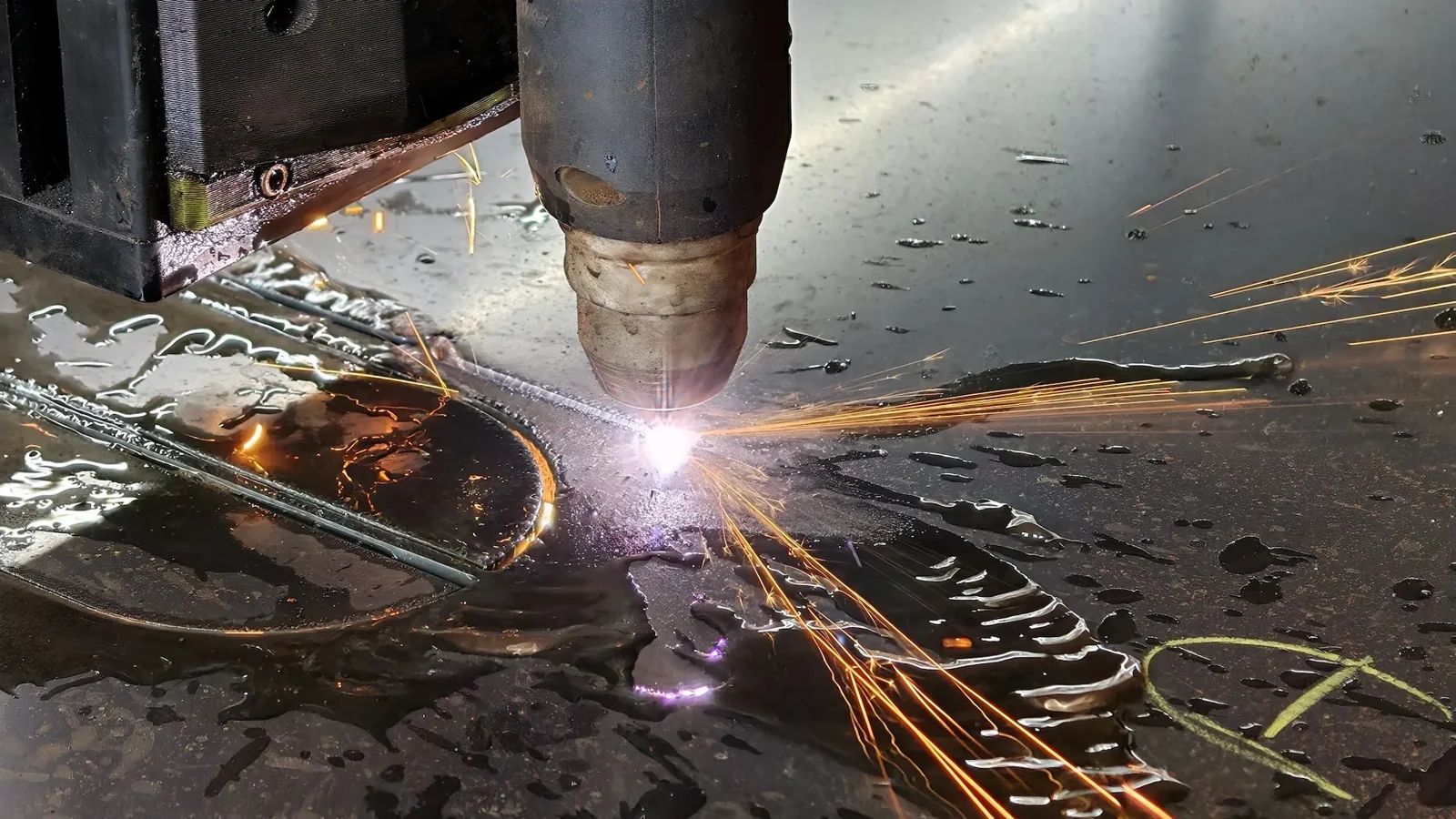
CNC plasma cutting in the workshop
Corten steel cacti for a garden
Backlit cactus lamp
Backlit cactus lamp
Occitan crosses, plasma cut
Wall art, plasma cut steel
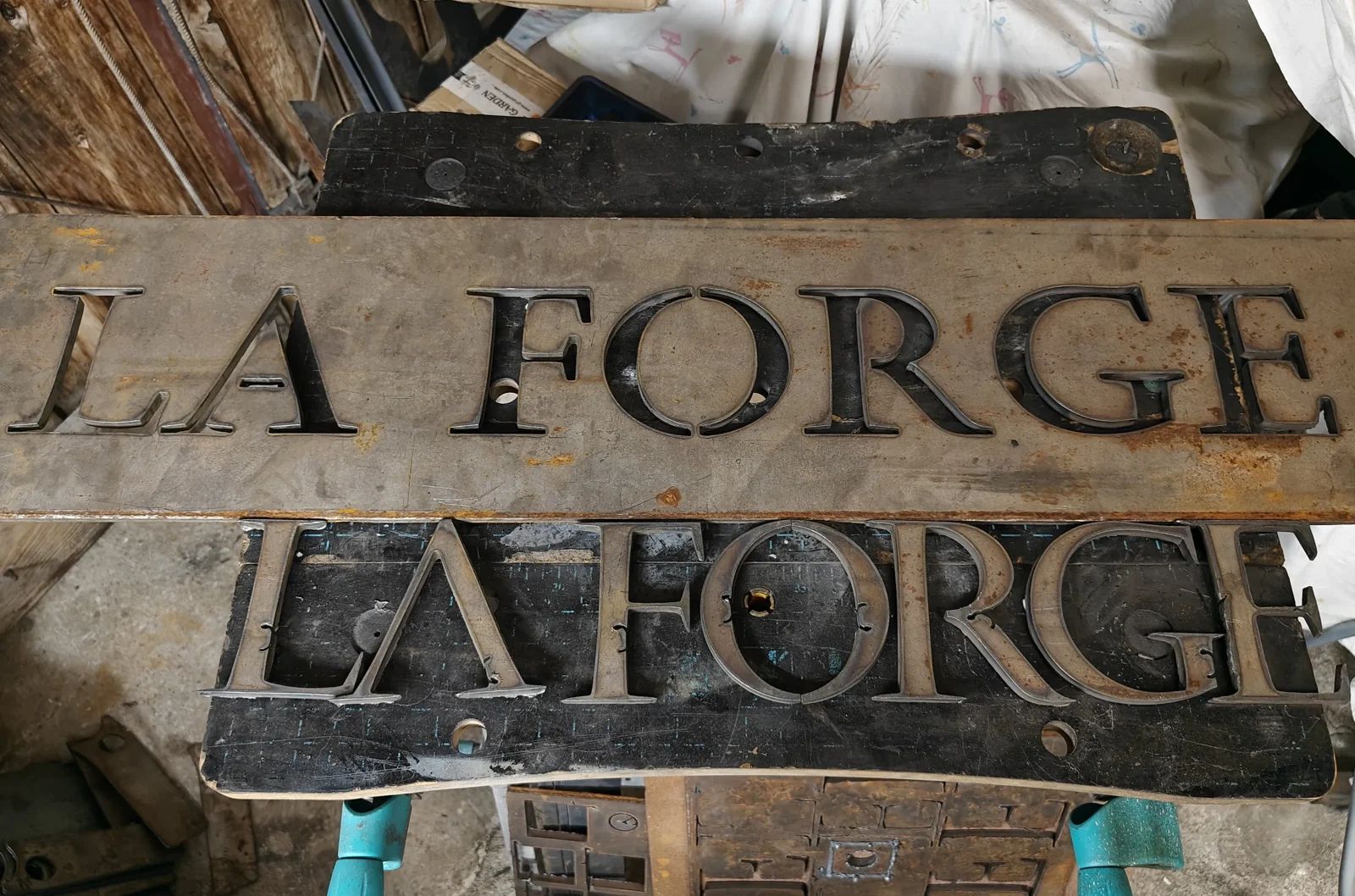
“La Forge” — Corten steel sign
Colour laser engraving on stainless steel — test matrix
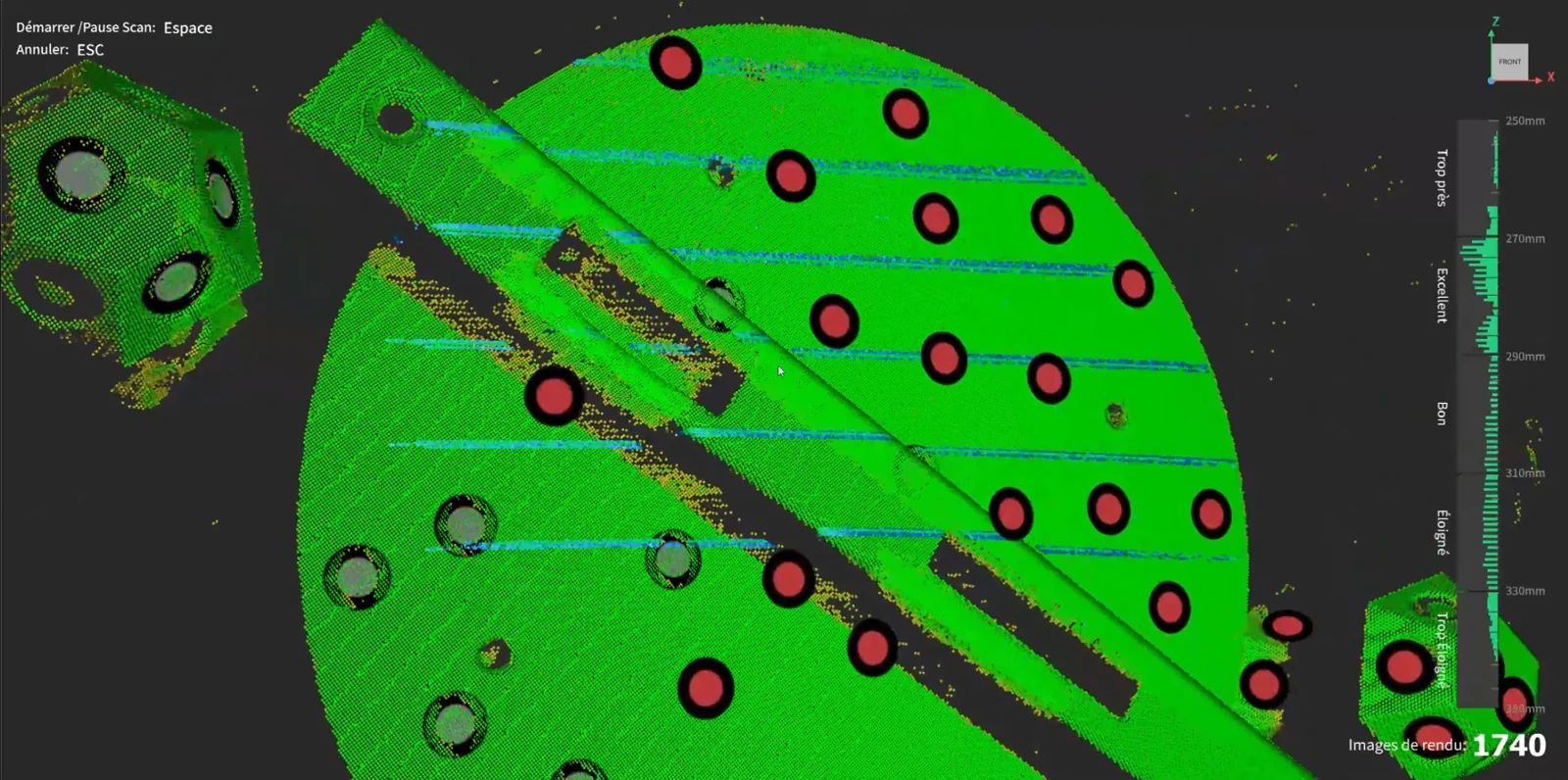
3D scan of a mechanical part
Layered 2.5D statuette
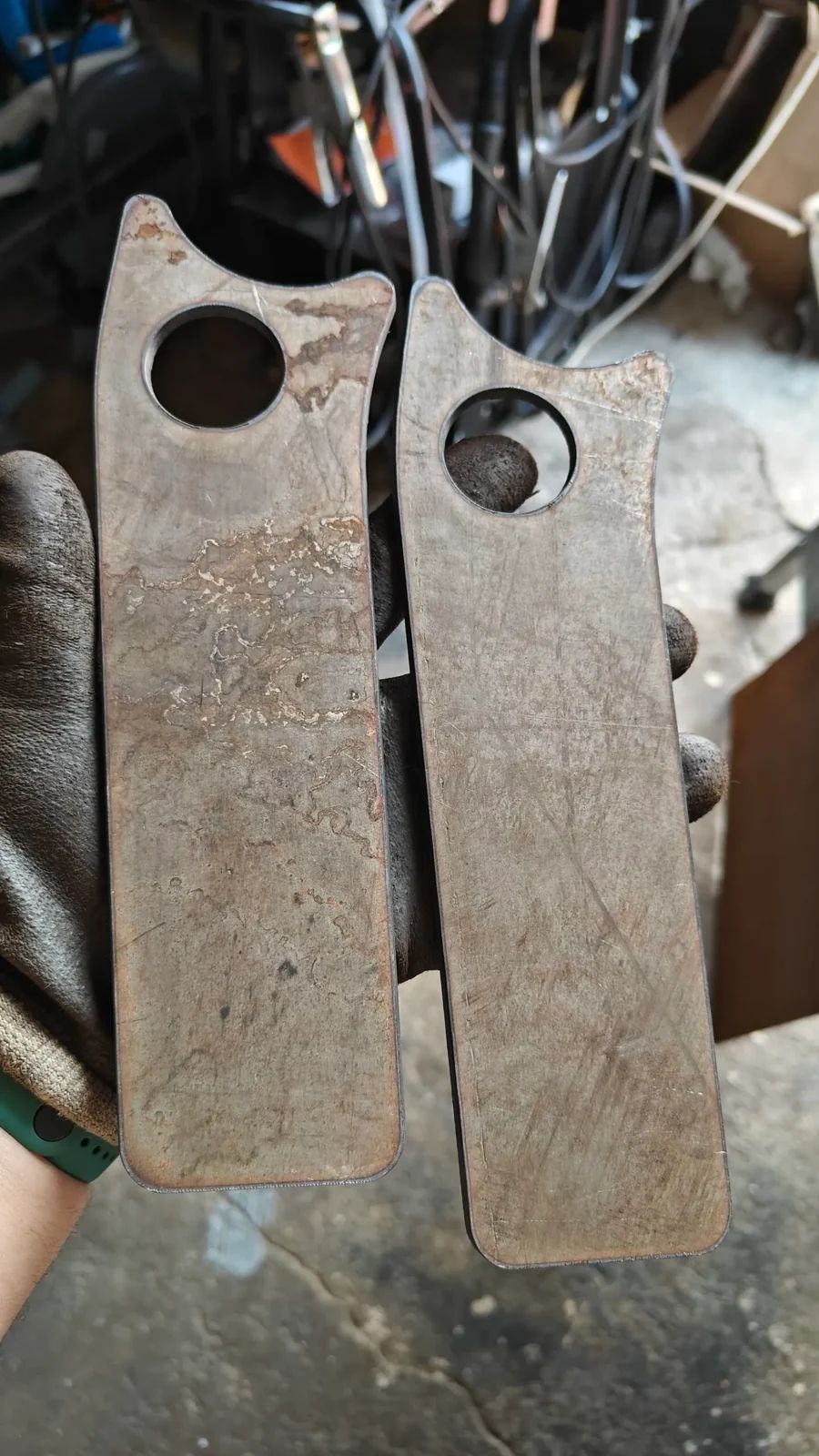
Functional parts: engine mounts

08 · Contact

Let’s talk.

The best way to reach me is by email. I answer quickly.